




















What Safety Features Should You Look for in Kids' Ride-Ons?
12 October 2026
Share
What Safety Features Should You Look for in Kids' Ride-Ons?
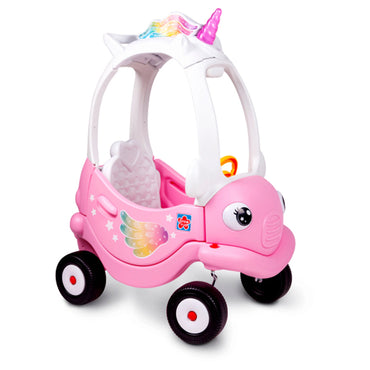
When choosing a ride-on toy for your child, look for age-appropriate design, a stable base, secure seating, easy-to-use controls, effective braking where applicable, and a suitable speed limit for powered models. The right safety features depend on your child's age, coordination, and whether the ride-on is powered or manually operated.
Ride-on toys can make playtime more active and enjoyable, but it's important to choose one that matches your child's abilities. Here are the key safety features to check before buying.
1. Age and Weight Recommendations
Always check the manufacturer's recommended age range and maximum weight limit. A ride-on that's too large, too fast, or difficult to control may not be suitable for a younger child.
Choose a model that your child can use comfortably without struggling to reach the steering wheel, handles, or footrests.
2. A Stable and Sturdy Design
A wide, stable base and sturdy construction can help reduce the risk of tipping during normal use. Check that the ride-on feels well-built and that its wheels are securely attached.
For younger children, choose a design suited to their balance and coordination, and avoid models that are too tall or difficult to climb onto.
3. Secure Seating and Easy-Grip Handles
Look for a comfortable seat and handles that are easy for small hands to grip. Some powered ride-ons include seat belts, which should be used as instructed by the manufacturer.
Make sure your child can sit properly and maintain control while riding.
4. Speed Controls and Brakes for Powered Ride-Ons
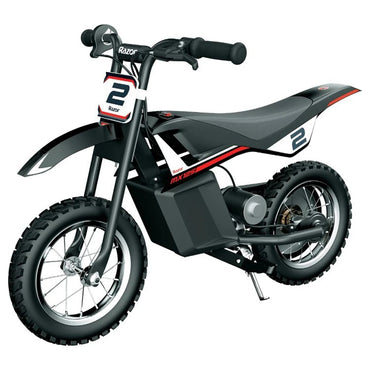
For battery-powered cars, motorcycles, and similar toys, check the available speed settings and braking system. A beginner-friendly low-speed mode can help young riders get used to steering and stopping.
Also consider:
- A simple accelerator and brake system
- A parental remote control, if available
- Clear operating instructions
- A battery and charger designed for that model
Teach your child how to stop safely before allowing them to ride independently.
5. Safe Wheels and Suitable Riding Surfaces
Check that the wheels are durable and appropriate for the surfaces where your child will ride. Follow the manufacturer's guidance on whether the toy is suitable for indoor floors, paved outdoor areas, or other surfaces.
Avoid using ride-ons near roads, stairs, swimming pools, steep slopes, or areas with vehicle traffic. Powered models should be used only in suitable, controlled areas.
6. Reliable Materials and Regular Maintenance
Inspect the toy for sharp edges, loose parts, exposed wiring, or damaged wheels. For electric models, check the battery compartment, charging equipment, and cables regularly.
Follow the manufacturer's cleaning, charging, and maintenance instructions, and stop using the ride-on if any safety component is damaged.
7. Supervision and Protective Gear
Even a ride-on with good safety features needs responsible supervision. Choose a safe riding area away from obstacles and traffic, and ensure your child understands basic riding rules.
For ride-ons where a fall or collision could cause injury, use appropriate protective equipment, such as a properly fitted helmet. Follow the manufacturer's safety guidance for the specific toy.
Choosing Kids' Ride-Ons at Halamama
At Halamama, parents can shop for kids' ride-ons suited to different ages and play preferences. Before choosing a model, compare its recommended age, weight limit, stability, controls, and safety instructions to find an option that fits your child.
Final Safety Checklist
Before buying a kids' ride-on, check:
- Is it suitable for your child's age and weight?
- Does it have a stable, sturdy design?
- Can your child grip the handles and control the ride-on?
- Does a powered model have appropriate speed controls and brakes?
- Are the wheels, battery, and other components in good condition?
- Do you have a safe place for your child to ride?
The safest ride-on is one that suits your child's abilities, is used in an appropriate area, and is maintained according to the manufacturer's instructions. Always supervise young children and follow the product's safety guidance.