























When Can a Baby Start Using a High Chair?
05 July 2026
Share
When Can a Baby Start Using a High Chair?
Introducing solid foods is an exciting milestone for every family, and one of the most important pieces of equipment during this stage is a high chair. Besides providing a dedicated place for meals, a good high chair helps establish healthy eating habits, encourages family interaction, and supports your baby's growing independence.
But one question many parents ask is: When is the right time for a baby to start using a high chair?
The answer depends on your baby's development rather than age alone. Understanding the signs of readiness can help you make the transition safely and comfortably.
The Ideal Age to Introduce a High Chair
Most babies are ready to use a high chair between 4 and 6 months of age, which often coincides with the introduction of complementary foods. However, age should not be the only factor to consider.
Before placing your baby in a high chair, ensure they can:
- Hold their head up steadily without support
- Sit with minimal assistance
- Maintain good posture for short periods
- Show interest in food during family mealtimes
- Reach for objects and bring them to their mouth
These developmental milestones indicate that your baby is ready to participate more actively in feeding routines.
Why Proper Seating Matters During Weaning
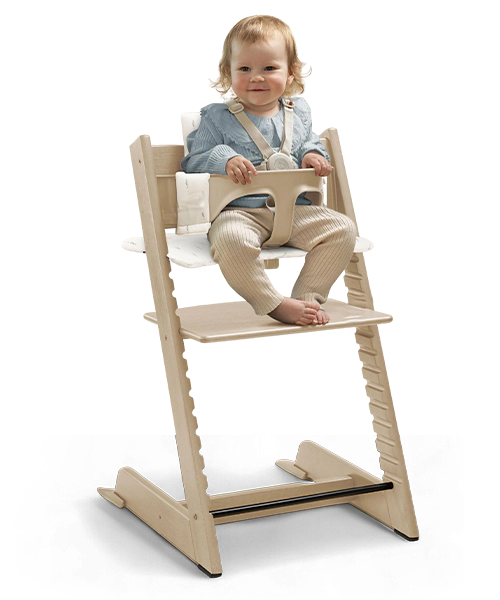
Good posture is essential when introducing solid foods. A well-designed baby high chair supports the baby's back, hips, and feet, helping them swallow safely and remain comfortable during meals.
Proper seating can:
- Reduce the risk of choking
- Encourage self-feeding skills
- Improve concentration during meals
- Support healthy digestion
- Create positive mealtime experiences
Premium designs from brands like Stokke are known for their ergonomic approach, offering adjustable features that grow alongside children for years.
Signs Your Baby Is Ready for a High Chair
Every child develops at their own pace, but some common indicators include:
They Can Sit Upright
Your baby should be able to sit with good head and neck control. Slouching or leaning excessively may indicate they need more time before transitioning to a high chair.
They Show Interest in Family Meals
Babies often become curious when they watch parents and siblings eating. Reaching for food, opening their mouths, or following utensils with their eyes are positive signs of readiness.
They Have Outgrown Feeding in Your Arms
As babies become more active, feeding them while holding them can become difficult. A high chair provides stability and allows everyone to enjoy mealtime together.
Safety Features to Look For
Safety should always be a priority when selecting a high chair. Important features include:
- A secure five-point harness
- A stable and sturdy frame
- Adjustable footrests
- Easy-to-clean surfaces
- Non-slip legs or locking mechanisms
- Appropriate weight and age recommendations
Parents looking for versatile options often consider models from Hauck, which combine practical features with family-friendly designs.
Adjustable High Chairs Grow with Your Child
One of the biggest advantages of modern high chairs is adaptability. Rather than purchasing multiple products as children grow, adjustable high chairs can serve families from infancy through the toddler years and beyond.
Brands such as Cybex focus on combining contemporary design with adjustable features that support children through different developmental stages.
Similarly, practical solutions from BabyUp provide families with comfortable and convenient options for everyday mealtimes.
Tips for a Smooth Transition to a High Chair
Introducing a high chair should be a positive experience. Here are some helpful tips:
Start with Short Sessions
Allow your baby to become familiar with the chair before introducing full meals. Sitting for a few minutes each day can help them adjust comfortably.
Keep Mealtime Interactive
Position the high chair near the family dining table so your baby feels included in conversations and routines.
Use Proper Support
Ensure harnesses are secured correctly and that your baby's feet are supported whenever possible, as this helps maintain balance and comfort.
Avoid Distractions
Focus on creating a calm environment during meals rather than relying on screens or toys, which can interfere with healthy eating habits.
Benefits of Using a High Chair Early
Once babies are developmentally ready, introducing a high chair offers numerous advantages:
- Encourages healthy family mealtimes
- Promotes independence and self-feeding
- Establishes consistent eating routines
- Improves posture during feeding
- Provides a safe and dedicated eating space
These benefits contribute to a positive relationship with food from an early age.
Most babies can begin using a high chair between 4 and 6 months, provided they demonstrate the necessary physical readiness. Choosing the right high chair is about more than convenience; it's about creating a safe, comfortable, and enjoyable environment for one of your child's most important developmental milestones.
Whether you prefer the timeless ergonomic designs of Stokke, the modern functionality of Cybex, the practical solutions from Hauck, or family-friendly options from BabyUp, investing in a quality high chair can support your child's mealtime journey for years to come.
After all, the right high chair isn't simply a place to eat; it's where countless family memories begin.


