






















How to Lose Postpartum Belly?
22 September 2026
Share
How to Lose Postpartum Belly?
Losing postpartum belly takes time and usually involves a combination of balanced nutrition, gradual physical activity, core and pelvic floor recovery, adequate rest, and patience. A postpartum belly belt can also provide gentle abdominal support and help you feel more comfortable during daily activities, but it does not directly burn belly fat or make the stomach flat.
After pregnancy and childbirth, it is normal for the abdomen to look and feel different. The abdominal muscles and surrounding tissues need time to recover, and changes in body fat, skin and muscle tone can affect the appearance of your belly.
Instead of looking for a quick fix, focus on supporting your recovery and building healthy habits that fit your new routine.
Why Does the Belly Stay Bigger After Pregnancy?
It is normal for your stomach to look different after giving birth.
During pregnancy, the abdominal muscles and surrounding tissues stretch to make room for the growing baby. Hormonal changes, retained fluid, body-fat changes and the gradual recovery of the abdominal wall can all contribute to a postpartum belly.
Some women may also experience diastasis recti, where the abdominal muscles separate during pregnancy. If you notice persistent abdominal separation, pain, significant bulging or other concerns, speak with a healthcare professional or physiotherapist.
1. Give Your Body Time to Recover
The first step is not rushing into weight loss.
Your body has gone through pregnancy and childbirth, so recovery should come before intense exercise or restrictive dieting. If you had a caesarean birth or complications during delivery, your recovery may take longer.
Gentle movement such as walking and suitable postpartum exercises can be introduced as your recovery allows. Follow your healthcare professional's advice about when to return to more strenuous activities.
2. Consider a Postpartum Belly Belt for Gentle Support
A postpartum belly belt, also called a postpartum abdominal support belt, can be used to provide gentle support around the abdomen after childbirth.
It may help some mothers feel more supported while walking, standing, or carrying out everyday activities. Some women also find abdominal support more comfortable after a caesarean birth, although the suitability of a belt depends on individual recovery.
A belly belt should be comfortable rather than excessively tight. It should not make breathing difficult, cause pain, restrict movement or put uncomfortable pressure on the abdomen.
What Can a Postpartum Belly Belt Do?
A belly belt can:
- Provide gentle abdominal support
- Offer a feeling of stability during movement
- Support the abdominal area while performing everyday activities
- Help some mothers feel more comfortable while their body recovers
- Provide temporary support when standing or walking
A postpartum belly belt does not directly burn fat, shrink the uterus, or permanently reduce belly size. It should be viewed as a support product rather than a weight-loss treatment.
If you have had a caesarean section, abdominal separation, significant pain or other complications, ask your healthcare professional whether a belly belt is suitable for you and when you can safely use one.
3. Start With Gentle Movement
Walking is one of the simplest ways to become active after having a baby.
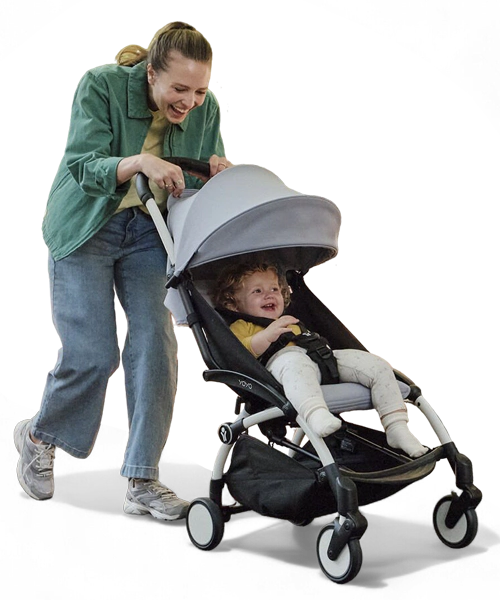
Start with short walks and gradually increase the duration as your energy and recovery allow. Walking with your baby in a suitable stroller can also make it easier to include movement in your everyday routine.
As your body becomes stronger, you can gradually introduce other forms of activity according to your healthcare professional's guidance.
The goal is consistency rather than exhausting yourself.
4. Focus on Core Recovery
Your core needs time to regain strength after pregnancy.
Instead of immediately doing large numbers of crunches or intense abdominal workouts, start with exercises that support your deep abdominal muscles and pelvic floor.
Depending on your recovery, suitable exercises may include:
- Gentle pelvic floor exercises
- Breathing exercises
- Gentle core activation
- Posture-focused movements
- Walking
- Gradual strength exercises
A women's health physiotherapist can help you choose suitable exercises, particularly if you have abdominal separation, pelvic pain, back pain or urine leakage.
5. Eat a Balanced Diet
Healthy eating is an important part of gradual postpartum weight management.
Build meals around a variety of nutritious foods, including vegetables and fruit, higher-fibre carbohydrates, protein sources and dairy or suitable alternatives.
Protein-rich foods such as eggs, fish, lean meat, beans, lentils and nuts can be part of balanced meals. Fibre-rich foods can also help with fullness and digestion.
Simple meals can be especially helpful when you have limited time with a newborn.
6. Don't Skip Meals
New parents often have irregular schedules, but regularly skipping meals can make balanced eating more difficult.
Keep convenient, nutritious foods available for busy days. Fruit, yoghurt, nuts, boiled eggs and wholegrain snacks can be easy options to prepare ahead of time.
Eating regularly can also make it easier to manage hunger throughout the day.
7. Stay Hydrated
Drinking enough fluids is important for general health, especially while breastfeeding.
Keep a water bottle nearby and drink regularly according to your thirst and individual needs.
If you are breastfeeding, focus on a varied and balanced diet with adequate fluids rather than following a restrictive diet.
8. Breastfeeding and Postpartum Weight Loss
Breastfeeding increases nutritional and fluid needs, so aggressive dieting is not a good approach.
If you are breastfeeding and want to manage your weight, focus on nutritious meals and gradual physical activity rather than severely restricting food.
If you are unsure about your nutritional needs while breastfeeding, speak with your doctor or a registered dietitian.
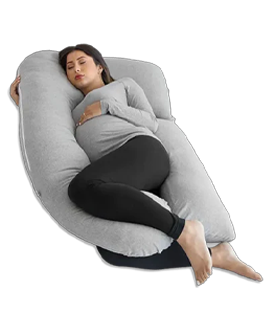
9. Get Enough Rest When Possible
Sleep can be difficult with a newborn, but rest remains an important part of postpartum recovery.
You may not be able to get a full night's sleep, so take opportunities to rest and accept help from your partner, family or friends when available.
Rather than trying to fit an intense workout into an exhausting day, listen to your body's energy levels and prioritise recovery.
10. Increase Activity Gradually
As your recovery progresses, you can slowly increase your activity.
Your routine might develop from:
Short walks → Longer walks → Gentle strength exercises → Moderate exercise
There is no need to rush through these stages. Your body may progress differently from someone else's.
A postpartum belly belt can be worn during certain daily activities if it feels comfortable and has been approved as appropriate for your individual recovery. However, it should not be used to push through pain or replace proper core rehabilitation.
11. Avoid Crash Diets and Extreme Workouts
Rapid weight-loss diets and intense workouts may seem tempting after pregnancy, but they are not a substitute for gradual, sustainable habits.
Avoid extreme calorie restriction, skipping meals or suddenly starting strenuous workouts.
Your priority during the postpartum period should be recovery, nourishment and rebuilding strength.
Can a Postpartum Belly Belt Flatten Your Stomach?
A postpartum belly belt can provide support, but it cannot directly remove postpartum belly fat or permanently flatten the stomach.
When worn, a belt may temporarily compress and support the abdominal area, which can change how your stomach looks while you are wearing it. However, this is different from losing body fat or strengthening the abdominal muscles.
For longer-term changes, focus on gradual physical activity, balanced nutrition and appropriate postpartum core recovery.
How to Use a Postpartum Belly Belt Comfortably
If a healthcare professional has confirmed that a belly belt is suitable for you:
- Choose the correct size according to the manufacturer's measurements.
- Adjust it so it feels supportive but not excessively tight.
- Make sure you can breathe and move comfortably.
- Avoid wearing it if it causes pain, numbness or significant discomfort.
- Follow the manufacturer's instructions for wearing and cleaning the belt.
- Give your body regular breaks rather than wearing it continuously.
- After a caesarean birth, follow your healthcare professional's advice before using abdominal compression.
The purpose should be gentle support and comfort, not forcing the abdomen into a particular shape.
Can You Get Rid of Postpartum Belly Completely?
There is no guarantee that your abdomen will look exactly as it did before pregnancy.
Pregnancy can permanently change the shape and appearance of the abdomen, including skin, muscle tone and body-fat distribution. For some women, the belly gradually becomes smaller as the body recovers and weight changes; for others, some changes may remain.
A healthy postpartum goal does not have to be a completely flat stomach. Feeling stronger, moving comfortably and supporting your overall health are equally important.
When Should You Speak to a Healthcare Professional?
Talk to your doctor or another qualified healthcare professional if you have concerns about your postpartum recovery.
Seek professional advice if you notice:
- Persistent or significant abdominal pain
- A noticeable abdominal bulge or suspected muscle separation
- Pelvic pain or pressure
- Urine or bowel-control problems
- Pain when exercising
- Heavy or unusual bleeding
- Difficulty recovering after a caesarean or complicated birth
- Discomfort when using a postpartum belly belt
A healthcare professional can assess your recovery and recommend appropriate exercises, support products or treatment.
A Simple Postpartum Routine
A realistic routine can be easier to maintain than a strict weight-loss programme.
Morning
Start the day with water and a balanced breakfast containing protein, fibre and carbohydrates.
During the Day
Take short walks when you can and keep nutritious snacks available for busy moments.
Afternoon
Include gentle stretching, pelvic floor exercises or an appropriate postpartum workout if you have been cleared for exercise. If recommended for you, a postpartum belly belt can provide additional support during certain activities.
Evening
Choose a balanced meal, stay hydrated and prioritise rest whenever possible.
Most importantly, don't compare your recovery with someone else's. Every postpartum body has its own timeline.
The healthiest way to reduce postpartum belly size is to give your body time to recover, eat balanced meals, gradually increase physical activity, rebuild core and pelvic floor strength, and get enough rest. A postpartum belly belt can be an additional support option, but it should not be treated as a weight-loss solution.
If you choose to use one, focus on comfort and gentle support rather than tight compression. If you are breastfeeding, recovering from a caesarean, experiencing abdominal separation or dealing with other postpartum concerns, get personalised guidance from your healthcare professional before making major changes to your diet, exercise routine or use of a belly belt.


